
2026-10-08 · Javier 'Javi' Rodriguez
How Monsoon Rains Trigger Sewage Backups in Roswell Homes
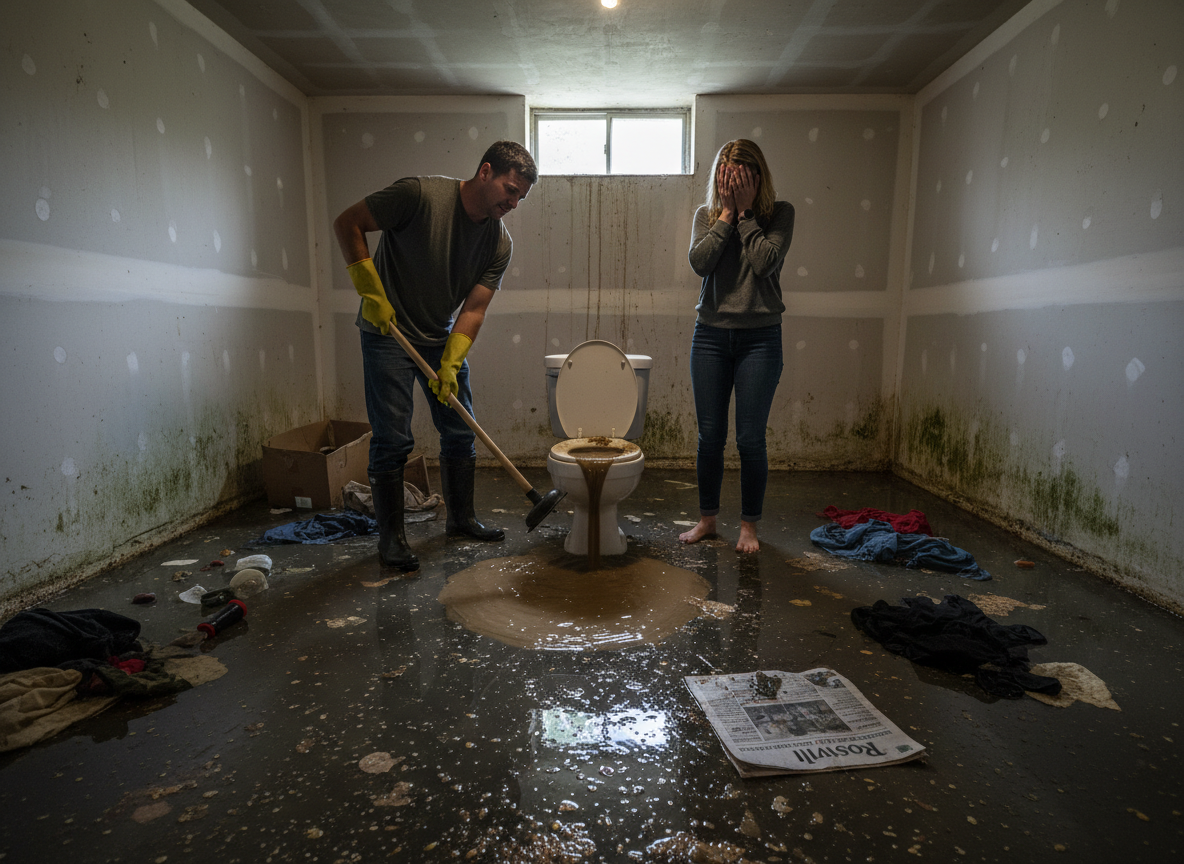
Monsoon rains frequently trigger sewage backups in Roswell homes primarily by overwhelming the city's aging sewer infrastructure and saturating the ground, leading to inflow and infiltration (I&I) into the sewer lines. When the desert soil, particularly common in areas like North Park and East Grand Plains, becomes saturated from intense, short-duration downpours, it reduces the capacity of the ground to absorb additional water. This excess surface water then finds its way into sewer pipes through cracks, faulty joints, and even illicit connections, increasing the volume of wastewater beyond what the system can handle. This surge in flow can cause pressure to build up, forcing sewage to reverse course and enter homes through drains and toilets, particularly in older properties in Downtown Roswell or Berrendo where plumbing might be more susceptible.
Understanding Roswell's Monsoon Season and Its Impact
Roswell, situated in Chaves County, experiences a semi-arid climate, which means our ground is typically dry for much of the year. However, from July through September, we enter our monsoon season, characterized by intense, often localized thunderstorms that drop significant amounts of rain in a short period. Unlike a gentle, all-day rain, these monsoon events deliver a deluge that the parched soil struggles to absorb quickly. This rapid influx of water creates substantial runoff, which is a primary contributor to sewer system overload. The sudden increase in water volume, combined with potential debris washed into storm drains, can quickly create blockages or exceed the hydraulic capacity of sewer lines designed for average flow rates, not flash flood conditions. This is a common issue not just in Roswell but also in nearby cities like Artesia and Carlsbad during similar weather patterns.
How Inflow and Infiltration (I&I) Overwhelm Sewer Systems
Inflow and infiltration (I&I) are critical factors during monsoon rains. Inflow refers to stormwater that directly enters the sewer system through sources like downspouts illegally connected to sanitary sewers, cracked manhole covers, or sump pumps discharging into sewer lines. Infiltration is groundwater that seeps into sewer pipes through cracks, faulty pipe joints, or deteriorated service connections, especially when the water table rises due to heavy rains. In older neighborhoods, such as parts of Downtown Roswell, the sewer lines may be decades old, making them more prone to cracks and joint failures. When these pipes are surrounded by saturated soil, water pressure pushes groundwater directly into the sewer system. This extra volume, which isn't actual sewage, significantly reduces the pipes' capacity to carry legitimate wastewater, leading to backups. For more detailed guidance on what to do when this happens, read our Step-by-Step Guide to Handling a Sewage Backup in Roswell.
The Role of Aging Infrastructure and Tree Roots
Many sewer systems in established Roswell neighborhoods, particularly those around the International UFO Museum and Research Center or near older residential areas surrounding the Roswell Museum, were installed decades ago. These older clay or cast-iron pipes are more susceptible to deterioration, cracks, and joint separations over time. When heavy monsoon rains saturate the ground, the soil shifts, putting additional stress on these already weakened pipes, exacerbating existing damage. Furthermore, tree roots, a common problem in residential areas with mature trees, are naturally drawn to the moisture and nutrients found within sewer lines. Roots can infiltrate even tiny cracks, growing into dense masses that obstruct flow. During heavy rains, the increased water flow can dislodge these root masses or push debris against them, creating complete blockages that force sewage back into homes. Addressing these root intrusions is a common part of our work in Berrendo and North Park.
Sump Pump Failures and Overwhelmed Drains
While less common in Roswell's drier climate than in other regions, some homes, especially those with basements or crawl spaces that collect groundwater, might rely on sump pumps. During intense monsoon downpours, these pumps can become overwhelmed or fail entirely if they lack the capacity to handle the sheer volume of water. If a sump pump is connected to the sanitary sewer system (which is generally not permitted but sometimes found in older setups), its failure can contribute to the overall overload. Additionally, floor drains in basements or utility rooms, especially if they are the lowest point in the plumbing system, become the primary entry point for sewage when the main sewer line backs up. The pressure from an overloaded municipal sewer system will seek the path of least resistance, often pushing sewage up through these drains. When this occurs, immediate black water extraction is often necessary.
Preventing and Mitigating Monsoon-Related Sewage Backups
While you can't control the weather or the city's infrastructure, there are steps Roswell homeowners can take to reduce their risk of monsoon-related sewage backups. First, ensure your downspouts direct rainwater at least 5–10 feet away from your home's foundation, preferably onto permeable surfaces that can absorb the water, rather than directly into the ground near your sewer lines. Regularly inspect and clean out your rain gutters to prevent overflow that could saturate the soil around your foundation. Consider having a plumber inspect your sewer lateral, especially if your home is older or you've experienced slow drains. They can identify potential issues like root intrusion or deteriorating pipes before they become a crisis. Installing a backwater valve can also offer a crucial line of defense by preventing sewage from flowing back into your home from the main sewer line during surge events. Understanding these potential costs is important; our article on What Influences Sewage Backup Cleanup Costs in Chaves County provides useful insights.